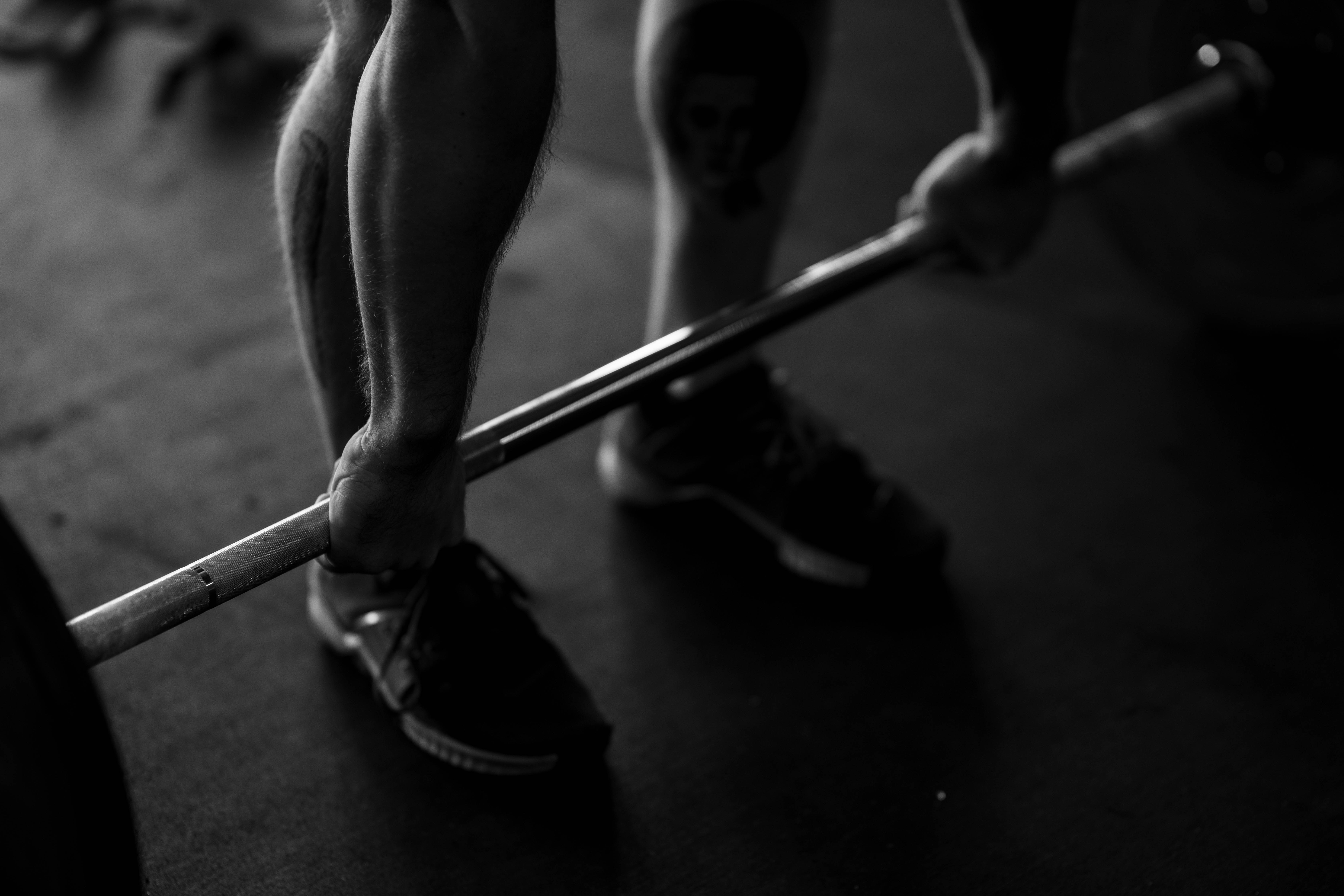
When Your Effort Doesn't Translate Into Progress
You go to the gym three or four times a week. You complete your workouts, break a sweat, and try to stay consistent.
Yet, after a few months, something feels frustrating.
The weights aren't getting easier. Your stamina hasn't improved much. You don't notice the physical changes you expected.
So, what's missing?
The answer isn't always that you need to exercise more. Sometimes, the problem is how your exercise is structured, progressed, and supported by recovery.
1. Exercise and Training Aren't Quite the Same Thing
Exercise is physical activity performed to improve or maintain fitness. Training takes that activity a step further by organising it around a specific goal.
Think about someone who performs the same workout every Monday, Wednesday, and Friday.
Initially, the routine might be challenging. Over time, the body becomes accustomed to those demands.
That's adaptation — one of the fundamental principles of exercise science.
But if the challenge never changes, improvements may eventually slow down.
Understanding Progressive Overload
This is where progressive overload becomes important.
It doesn't mean lifting heavier weights every session. Progression might involve performing an additional repetition, increasing resistance gradually, improving movement quality, or completing the same amount of work with less effort.
Your body needs an appropriate reason to adapt, not simply another workout to complete.
2. More Fatigue Doesn't Necessarily Mean Better Results
It's tempting to judge a workout by how exhausted you feel afterwards.
Sweating heavily, experiencing muscle soreness, or feeling completely drained can make a session seem productive.
But fatigue and improvement aren't the same thing.
Finding the Right Training Stimulus
Exercise creates a stimulus. Your body responds to that stimulus through a combination of training, recovery, nutrition, and time.
When training stress repeatedly exceeds your ability to recover, performance can suffer. Equally, when the stimulus is consistently too small, progress may be limited.
The goal isn't to make every workout exhausting.
It's to provide enough challenge to encourage improvement while allowing sufficient recovery to support it.
3. Your Workout Might Not Match Your Goal
Imagine someone whose primary goal is to build muscle but whose routine consists almost entirely of cardiovascular exercise.
Or someone hoping to improve running endurance who only performs short, intense workouts.
Neither approach is necessarily bad. They simply may not provide the most appropriate stimulus for the desired outcome.
The Principle of Specificity
This is known as the principle of specificity.
Your body adapts to the demands you place upon it.
Strength, muscle growth, cardiovascular fitness, and mobility all benefit from appropriately selected training methods.
A balanced fitness programme can develop several qualities, but understanding your primary goal helps determine what deserves the most attention.
4. Recovery Is Part of the Process
Training doesn't happen in isolation.
Sleep, nutrition, daily stress, and activity outside the gym can influence how well you recover and perform.
For example, someone combining demanding workouts with insufficient sleep and inadequate nutrition may struggle to maintain training quality.
That doesn't mean every difficult session requires several days of rest.
It means that recovery should be considered alongside training intensity, frequency, and volume, rather than treated as an afterthought.
5. Perhaps You're Measuring the Wrong Results
Progress isn't always visible in the mirror or reflected immediately on the weighing scale.
You might be lifting more weight, climbing stairs with less breathlessness, walking longer without fatigue, or recovering faster between exercise sessions.
These are meaningful improvements too.
What Should You Track?
Depending on your goal, tracking a few simple indicators can be useful:
Strength: Weights lifted, repetitions, or exercise difficulty.
Endurance: Distance, pace, and effort at a comparable workload.
Body composition: Longer-term trends rather than daily weight fluctuations.
Everyday fitness: Energy, physical function, and ease of daily activities.
Review these measures over several weeks rather than judging individual workouts.
So, What Should You Do Differently?
Start by defining what you're trying to improve.
Follow a routine that supports that goal. Progress gradually, record a few meaningful indicators, and make sure your recovery supports your training.
For general health, the World Health Organization recommends adults aim for 150–300 minutes of moderate aerobic activity weekly, alongside muscle-strengthening activities on at least two days.
You don't need a complicated programme or expensive technology to begin making better decisions.
You need a clear objective, an appropriate challenge, consistency, and a way to recognise improvement.